


Elders often hold the secret sauce to traditions that have been simmering for generations. They’re not just the wise ones in the room; they’re the living libraries of culture, stories, and that one recipe for grandma’s famous pie that no one can replicate. Without them, many traditions might fade faster than a Snapchat message.
In a world obsessed with the latest trends, it’s easy to overlook the importance of those who’ve been around the block a few times. Elders serve as the bridge between past and present, reminding us of where we came from while helping us navigate the wild waters of modern life. So, let’s dive into the invaluable role they play in keeping traditions alive, because who wouldn’t want to learn from the pros?
Understanding Tradition
Tradition encompasses practices, beliefs, and customs that a group of people share over time. Elders play a vital role in maintaining this rich tapestry of cultural heritage. They act as guardians of knowledge, passing it down through storytelling, rituals, and teachings that shape community identity.
Through their lived experiences, elders provide context and meaning to traditions. Their firsthand accounts often bring historical events to life and deepen the understanding of cultural significance. Each elder has unique insights that connect the younger generation with their roots.
Community gatherings often facilitate the sharing of traditions among different generations. These gatherings offer opportunities for elders to impart wisdom and life lessons. Such interactions foster respect and appreciation, bridging the gap between ages.
Recognizing the importance of elders in tradition fosters cultural continuity. In fast-paced societies, there’s a tendency to overlook this wisdom. Emphasizing the value of elders enhances a community’s ability to preserve its history and values.
Elders also adapt traditions to keep them relevant in modern contexts. By embracing change while honoring the past, they ensure that cultural practices remain meaningful. Their adaptability helps promote a legacy that can resonate with future generations.
Educational institutions and community programs can create platforms for elders to share their knowledge. Initiatives like oral history projects enrich learning environments by integrating traditional knowledge. These efforts not only honor elders but also reinforce community cohesion.
The Role of Elders in Tradition
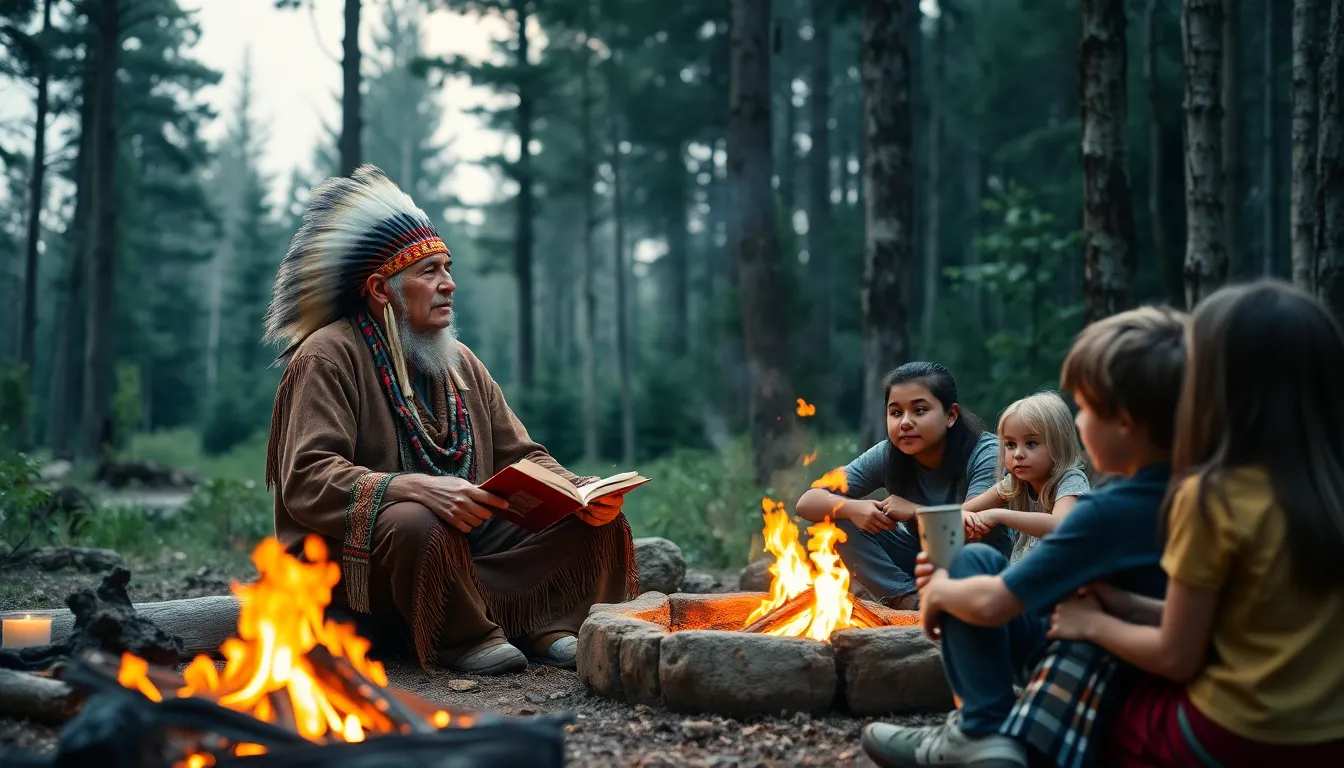
Elders play a vital role in the preservation of cultural traditions. Their participation ensures the continuity of practices and beliefs passed down through generations.
Cultural Transmission
Cultural transmission occurs through storytelling, rituals, and teachings. Elders share narratives that provide insights into a community’s history. Through these interactions, younger generations learn the significance behind customs. Engaging in traditional practices fosters a sense of belonging and identity. Community events serve as gathering points for these exchanges. During celebrations, elders pass on knowledge while reinforcing cultural ties. Their involvement not only keeps traditions alive but also makes them relevant for contemporary society. This dynamic form of transmission is crucial for nurturing cultural resilience.
Guardians of Wisdom
Guardians of wisdom, elders embody a wealth of knowledge. Their life experiences hold lessons that enrich community understanding. By sharing their insights, they offer guidance on navigating modern challenges. Elders can identify essential values that define community identity while emphasizing respect and resilience. Through mentorship, they empower youth to take pride in their heritage. Importance lies in creating intergenerational dialogues, which strengthen bonds. Elders also adapt traditions to resonate with contemporary contexts, ensuring lasting relevance. Their contributions reinforce the foundational aspects of cultural identity while molding a responsive future.
Impact on Family Dynamics
Elders significantly influence family dynamics through their rich experiences and insights. Their roles extend beyond tradition, shaping relationships within families.
Guidance and Support
Elders provide invaluable guidance as family members navigate life’s challenges. They share wisdom gained from personal experiences, equipping younger generations to make informed decisions. The support elders offer fosters a sense of security and belonging. Their advice often addresses both emotional needs and practical concerns, reinforcing family bonds. Elders help instill values such as respect, responsibility, and resilience, which shape character in youth. A close relationship with an elder can lead to increased self-confidence and a sense of direction in young individuals.
Conflict Resolution
Elders play a key role in resolving conflicts within families by offering impartial perspectives. Their approach often promotes understanding and compromise. Experience enables them to address disputes calmly and sensitively, allowing family members to work through differences. Elders encourage open dialogue, fostering an environment where feelings can be expressed without judgment. They impart lessons on forgiveness and reconciliation, reinforcing family unity. By guiding the younger generation in conflict resolution, elders contribute to stronger familial relationships, ultimately nurturing a harmonious family environment.
Elders in Community Traditions
Elders play an essential role in nurturing and sustaining community traditions. Their influence permeates both cultural and familial spheres, providing guidance and support.
Leadership and Influence
Elders often emerge as natural leaders within communities. Their profound knowledge and life experiences position them as trusted advisors. Communities look to elders for direction, especially during times of change or uncertainty. Decisions made by these leaders often reflect the collective values and beliefs of the community. Their insights foster unity, encouraging collaboration across generations. Elders inspire younger members to engage actively in cultural practices, fostering a sense of ownership over communal heritage.
Preservation of Heritage
Heritage receives vital attention through the efforts of elders. They serve as custodians of traditions, ensuring that important practices continue. Storytelling becomes a primary method for transmitting cultural knowledge across generations. Historic customs and rituals rely on elders to teach and demonstrate their significance. Community events often highlight the contributions of elders in preserving unique histories. Additionally, elders adapt traditions to fit contemporary contexts, maintaining relevance while honoring roots. Engaging with them in such traditions enriches everyone’s understanding and appreciation of cultural heritage.
Elders play an indispensable role in nurturing and preserving cultural traditions. Their wisdom and experiences serve as a bridge between generations, ensuring that valuable practices and beliefs endure. By fostering intergenerational dialogue, they not only impart knowledge but also inspire younger members to engage actively with their heritage.
Recognizing the significance of elders enriches community life and strengthens familial bonds. Their guidance in navigating modern challenges reinforces the importance of tradition while adapting it to contemporary contexts. As custodians of cultural identity, elders empower future generations to take pride in their roots, fostering a sense of belonging and unity. Embracing their role is vital for sustaining the richness of cultural legacies in an ever-evolving world.


