


In a world where TikTok dances are just as iconic as classic music videos, Gen Z has turned the music landscape upside down. This generation, born between the late ’90s and early 2010s, is not just consuming music: they’re defining it. Get ready to jump into the vibrant and ever-evolving tapestry of Gen Z music trends, where pop meets punk, and every beat feels like a liberation anthem. Stick around for insights that might have you updating your playlist… or at least nodding in agreement.
Defining Characteristics of Gen Z’s Musical Taste
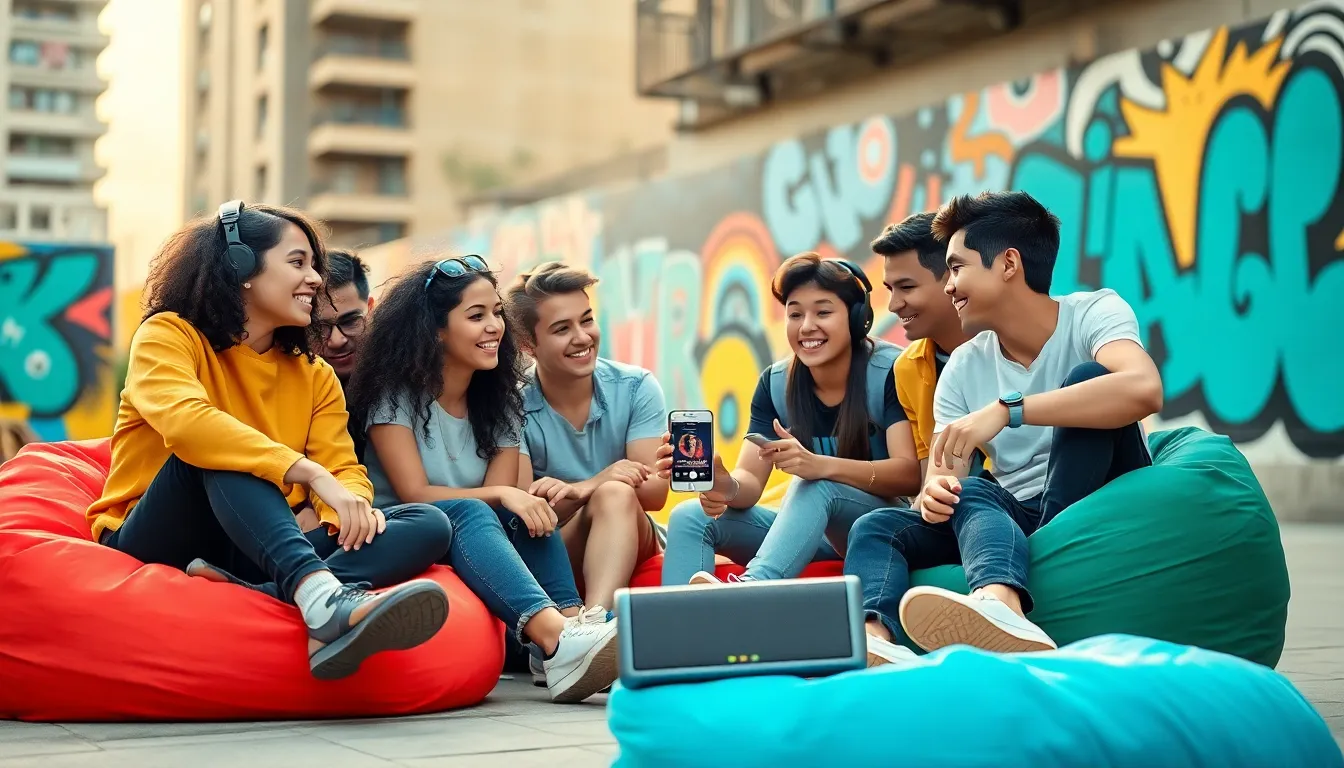
Gen Z’s musical preferences are a multifaceted blend of nostalgia, diversity, and authenticity. Unlike previous generations, who often gravitated towards specific genres, this cohort embraces a wide spectrum of styles, from indie rock to hyperpop. Their favorite tracks are more than just catchy hooks: they often share personal stories and social commentary.
Also, authenticity reigns supreme. Gen Z values artists who are relatable over those that seem artificially polished. This desire for genuine connection drives listeners to gravitate towards songs that reflect their lived experiences and cultural identities.
Besides, collaboration is key in the Gen Z music scene. Genre-blending takes center stage, evidenced by the popularity of songs that fuse elements from rock, hip-hop, and electronic music. The lyrics often reflect a modern ethos that encourages self-expression and mental health awareness, addressing topics previously considered taboo.
Influence of Social Media on Music Discovery
Social media has transformed how Gen Z discovers music, creating a dynamic digital landscape where trends can sprout overnight. Platforms like TikTok and Instagram are not just channels for sharing content: they are vital tools for music discovery. A catchy sound byte can go viral, launching an unknown artist into stardom within weeks. This phenomenon highlights how quickly tastes can evolve.
The viral trends of today have outpaced traditional music marketing strategies. Artists often release snippets of new tracks on these platforms, letting fans engage with their work before the full song drops. The simultaneous engagement and fandom on social media create an immediate feedback loop, adding pressure on artists to constantly innovate while remaining relevant.
Popular Genres Among Gen Z
When it comes to genres, Gen Z is not bound by traditional classifications. Pop remains a dominant force, but it’s interlaced with other styles, such as R&B, rap, and electronic music. The rise of bedroom pop, an intimate, lo-fi take on mainstream pop, reflects their desire for authenticity and relatability.
Hip-hop also holds a special place in Gen Z’s heart. With artists like Lil Nas X and Billie Eilish blending genres and styles, the boundaries continue to blur. Country music has also seen a resurgence, especially with crossover artists who embrace diverse influences.
For those seeking something more eclectic, there’s a growing interest in K-Pop, which has taken global charts by storm. The vibrant aesthetics and catchy melodies resonate deeply with Gen Z, showcasing their appreciation for cultural diversity.
The Rise of Independent Artists and DIY Culture
In the digital age, DIY culture has flourished, leading to a surge in independent artists gaining recognition without traditional label support. Gen Z fervently champions these musicians. They appreciate the raw, unfiltered nature of songs crafted in home studios and shared on platforms like Bandcamp.
This shift not only democratizes music but also fosters artistic freedom. Artists are able to convey their true selves without the constraints that often come with commercial pressures. Fans can directly interact with their favorite musicians, leading to a sense of community and loyalty that was perhaps less common in prior generations.
Impact of Streaming Platforms on Music Consumption
Streaming platforms have revolutionized music consumption habits for Gen Z. Services like Spotify and Apple Music allow users to create personalized playlists with ease, while algorithms curate recommendations based on listening habits. This instant access has dramatically decreased the traditional barriers to music dissemination, putting unprecedented power in the hands of the listener.
Also, the ability to access vast libraries of music on-demand means Gen Z can explore lesser-known artists and niche genres. While this democratization is a boon for discovery, it has also led to the overcrowding of the music landscape, making it more challenging for new artists to carve out a niche amid the noise.
Global Music Trends and Cultural Fusion
Gen Z stands at the forefront of a new era of cultural fusion in music. This generation is particularly open to global influences, eagerly exploring sounds from different corners of the world. Genres such as reggaeton, Afrobeats, and Latin pop are not just confined to their regions of origin: they’re intertwined within mainstream music trends.
This cultural amalgamation reflects Gen Z’s global mindset, as they increasingly seek out music that resonates beyond geographical boundaries. Collaborations between artists from different cultures, such as Bad Bunny and J Balvin, exemplify this trend. The result is an inclusive musical landscape that fosters global citizenship and appreciation.
The Future of Music Trends with Gen Z
As Gen Z matures, their influence on the music industry will likely grow even stronger. Their fascination with authenticity might encourage even more artists to embrace vulnerability in their music. The emphasis on social issues will also continue to shape musical content, with a focus on mental health and social justice gaining traction.
Also, technological advancements may alter music experiences in unforeseen ways. Enhanced reality and virtual concerts are likely to become more mainstream, reshaping how fans connect with their favorite artists. As the lines continue to blur between creator and consumer, the dynamic between the two could lead to even more innovative music trends.


