


Diving into the world of ethnic cuisine is like embarking on a delicious treasure hunt. Every dish tells a story, revealing the rich tapestry of culture, tradition, and history behind it. From the spicy curries of India to the savory dumplings of China, each bite transports food lovers to a different time and place. Who knew that a plate of pasta could hold the secrets of ancient Rome or that tacos could whisper tales of Aztec warriors?
As they explore ethnic cuisine history, readers will discover not just flavors but also the fascinating journeys that shaped these culinary masterpieces. So grab a fork and get ready to feast on knowledge—because understanding where our food comes from makes every meal a little more meaningful.
The Importance Of Exploring Ethnic Cuisine History
Exploring ethnic cuisine history reveals the deep connections between food and cultural identity. Each dish holds stories that span generations, highlighting traditions, values, and societal changes. Understanding the origins of Indian curries or Chinese dumplings illuminates the historical influences that shaped these beloved foods.
A greater appreciation for these culinary narratives enriches the dining experience. Culinary practices reflect migration patterns, trade routes, and historical events. For instance, ingredients in pasta showcase the influence of different regions, while tacos reveal the blend of indigenous and Spanish cultures.
Every bite provides insight into the people who created the dish. Social structures and regional resources shape cooking styles, forming unique flavors and techniques. By studying these aspects, individuals grasp the significance of shared meals in fostering community and family bonds.
Connecting with ethnic cuisine promotes cultural exchange and understanding. Engaging with diverse culinary traditions expands palates and encourages respect for different ways of life. Food has the power to unify, creating common ground among diverse groups.
Enhancing awareness of these culinary journeys cultivates an appreciation for authenticity. Recognizing the historical significance inspires individuals to support local ethnic restaurants and traditions. Ultimately, exploring ethnic cuisine history contributes to a richer understanding of humanity’s shared experience.
Key Influences On Ethnic Cuisine Development
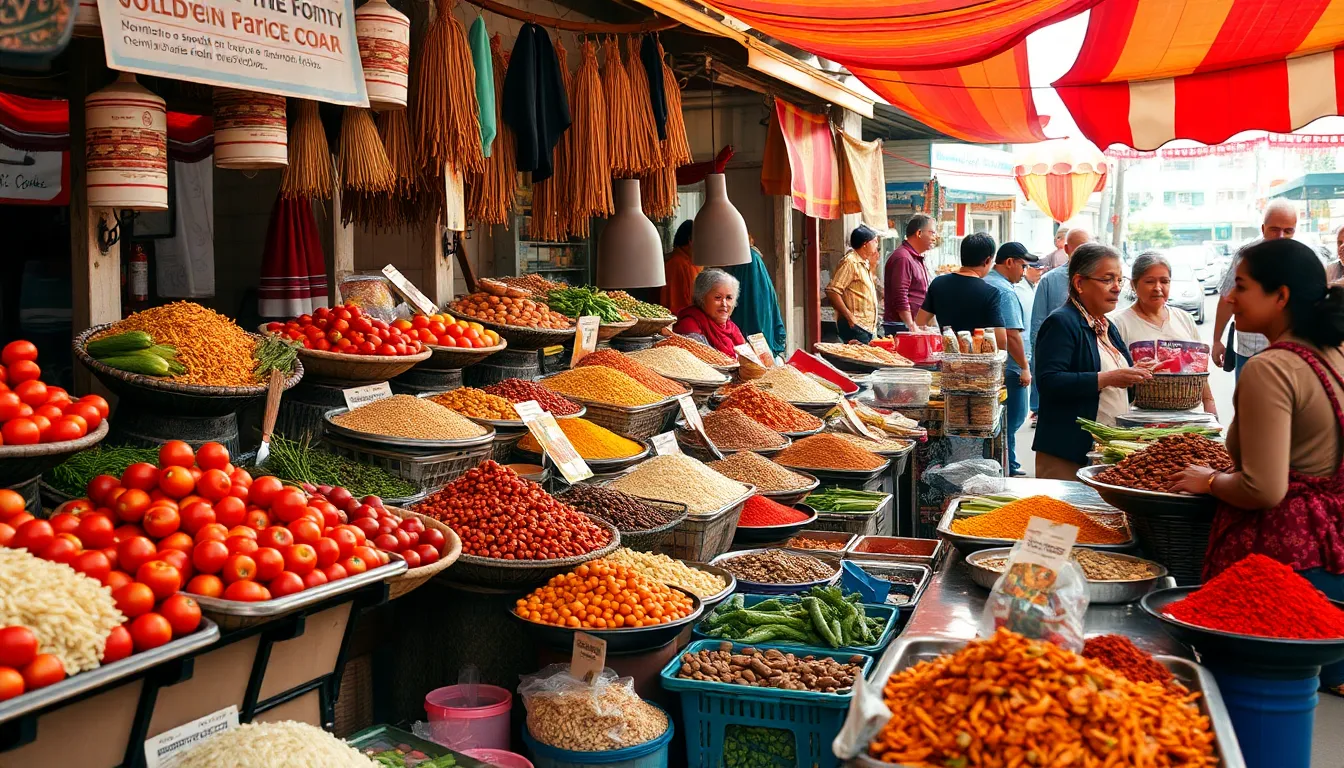
Ethnic cuisine development stems from various key influences. These factors include geography, ingredients, cultural exchanges, and trade.
Geography And Ingredients
Geography shapes the ingredients available in each region. Local climates determine what crops can be cultivated, influencing staple foods. For example, Mediterranean regions produce olive oil and tomatoes, while tropical areas grow rice and bananas. People adapt recipes based on the flavors and textures of locally sourced products. Culinary traditions evolve as communities utilize their natural resources. Distinct geographic features contribute to unique cooking styles, making regional flavors recognizable worldwide.
Cultural Exchanges And Trade
Cultural exchanges and trade greatly impact ethnic cuisines. Trade routes facilitate the movement of ingredients across borders, introducing new flavors and techniques. Spices from the East transform European cooking, while trading with Africa brings cassava and yams to different cuisines. Interactions between different cultures lead to fusion dishes, combining elements from diverse culinary traditions. Migration patterns also contribute, as people carry their culinary heritage to new lands, enriching local food scenes. Globalization has further accelerated these exchanges, creating a more interconnected gastronomic landscape.
Major Ethnic Cuisines To Explore
Exploring ethnic cuisines reveals a tapestry of flavors and traditions from around the globe. Each region’s food culture offers distinctive and rich histories.
Asian Cuisines
Asian cuisines encompass a variety of flavors, techniques, and ingredients. Chinese cuisine features dishes like dim sum and Peking duck, showcasing diverse regional styles. Indian cuisine includes fragrant spices in curries and tandoori dishes that reflect a rich history influenced by trade and migration. Thai food, known for its balance of sweet, sour, and spicy, illustrates the agricultural bounty of the region. Each cuisine tells a story of cultural interconnections, celebrating flavors that resonate with history and tradition.
European Cuisines
European cuisines vary widely, rooted in centuries of tradition. Italian cuisine is famous for pasta and pizza, embodying regional diversity from north to south. French cuisine emphasizes technique and presentation, with dishes like coq au vin revealing a culinary artistry. Spanish tapas offer a social dining experience that highlights regional ingredients. Each of these cuisines carries influences from historical events, migrations, and cultural exchanges, creating a rich culinary heritage that spans the continent.
African Cuisines
African cuisines vary widely from region to region, reflecting diverse cultural influences. Moroccan cuisine features aromatic spices in tagines, demonstrating a blend of Berber, Arabic, and Mediterranean flavors. West African dishes highlight ingredients like yams and plantains, often accompanied by rich stews. Ethiopian cuisine showcases injera, a fermented flatbread, emphasizing communal dining and unique spices. Each cuisine embodies a connection to the land and cultural practices, offering a glimpse into Africa’s vast culinary landscape.
Latin American Cuisines
Latin American cuisines reflect a fusion of indigenous, African, and European influences. Mexican cuisine is known for tacos, mole, and vibrant salsas, showcasing ingredients like corn and beans. Brazilian food features dishes like feijoada, a black bean stew that illustrates the country’s cultural diversity. Peruvian cuisine, renowned for ingredients like quinoa and potatoes, emphasizes the importance of its Andean heritage. Each regional cuisine tells a story of adaptation and resilience, highlighting the rich tapestry of flavors across Latin America.
The Evolution Of Ethnic Cuisines Over Time
Ethnic cuisines have undergone significant transformations over centuries, reflecting cultural shifts and historical movements.
Traditional Recipes And Modern Interpretations
Traditional recipes often serve as the foundation for modern culinary innovations. Many chefs draw inspiration from ancestral dishes, adapting ingredients and techniques to suit contemporary tastes. For instance, classic Indian curries now appear in fusion forms, combining local spices with non-traditional proteins. These adaptations maintain core flavors while catering to modern palates. A broader understanding of global ingredients also influences these reinterpretations, making ethnic cuisine accessible to diverse audiences. Today, many restaurants encourage diners to experience traditional dishes alongside their updated counterparts, showcasing the culinary journey through time.
The Impact Of Globalization
Globalization significantly reshapes ethnic cuisine, facilitating exchanges between cultures. Diverse ingredients and cooking methods now seamlessly blend across geographic boundaries. For example, sushi has gained international popularity, leading chefs to create hybrid dishes that incorporate local flavors. Increasing accessibility to global foods encourages culinary experimentation at home and in restaurants. Additionally, social media plays a role in popularizing these trends, allowing food enthusiasts to share and discover unique takes on traditional dishes. This interconnectedness fosters an appreciation for ethnic cuisines while maintaining their rich histories and cultural significance.
Exploring ethnic cuisine history opens a window to the diverse narratives that shape our culinary landscape. Each dish serves as a testament to the cultural exchanges and historical events that have influenced its creation. By appreciating these connections, diners can deepen their understanding of the food they enjoy and the cultures behind it.
Encouraging culinary exploration fosters respect for diverse traditions and promotes community ties through shared meals. As globalization continues to influence culinary practices, it’s essential to celebrate and support local ethnic restaurants that keep these rich histories alive. Embracing the stories within every bite enriches the dining experience and connects individuals to a broader human heritage.


