

Tribal communities are like the hidden gems of our world, brimming with rich traditions, vibrant cultures, and stories that could make even the most seasoned storyteller envious. They’re not just a chapter in history books; they’re living, breathing examples of resilience and creativity. If you think you know what makes these communities tick, think again!
Understanding Tribal Communities
Tribal communities embody dynamic cultures that thrive with unique traditions and narratives. Exploring these communities offers insights into their significant roles in society.
Definition and Significance
Tribal communities refer to social groups bonded by shared ancestry, language, or culture. These communities exist worldwide, profoundly impacting local and global ecosystems. Not merely relics of the past, they actively contribute to environmental conservation and cultural preservation. Many tribal groups advocate for land rights and sovereignty, challenging external narratives about their identities. Sustainable practices, rooted in centuries of knowledge, highlight their importance in both ecological and cultural contexts.
Cultural Diversity
Cultural diversity within tribal communities showcases a wide range of languages, customs, and beliefs. Each tribe often possesses distinct practices that reflect their unique environments and histories. For instance, art forms like weaving, pottery, and storytelling differ from one community to another, emphasizing communal identity. Celebrations and rituals serve as vital expressions of shared heritage, varying significantly across regions. This rich mosaic of traditions fosters resilience and adaptability, ensuring the continuity of their cultural legacies.
History of Tribal Communities
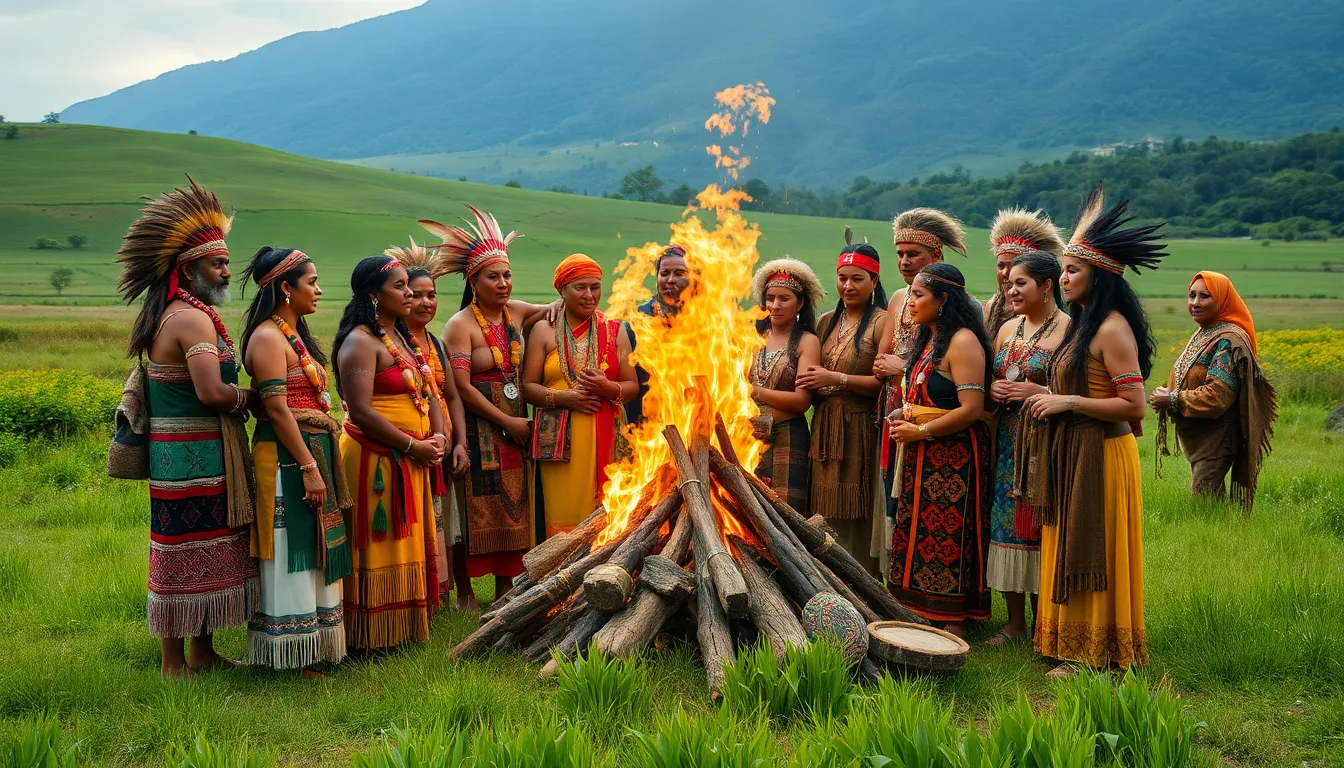
Tribal communities possess a rich historical backdrop that shapes their identities. Understanding their origins and evolution reveals how these groups adapted to changing environments and circumstances.
Origins and Evolution
Tribal communities trace their roots back to ancient societies that formed based on shared kinship, resources, and survival needs. These early groups developed unique languages and customs, creating distinct cultures over millennia. Adaptive strategies emerged as tribes faced various challenges, such as climate change and resource scarcity. Genetic studies often show the interconnections among tribes, highlighting how migration and interaction influenced cultural exchange. As societies advanced, they engaged in trade and formed alliances, enriching their cultural fabric. Over time, these interactions fostered greater diversity, shaping the vibrant tapestry of tribal identities known today.
Key Historical Events
Significant historical events played pivotal roles in shaping tribal communities. The arrival of European colonizers in the 15th century marked a turning point, triggering displacement and cultural upheaval. Treaties were often established, yet many went unhonored, leading to loss of land and resources. The Indian Removal Act of 1830 forced numerous tribes from their ancestral lands, resulting in the Trail of Tears and profound trauma. Additionally, various wars, such as the American Indian Wars, further decimated tribal populations and disrupted their way of life. Despite these challenges, tribal communities displayed resilience, adapting to new realities while continuing to preserve their cultural heritage. Today, they reclaim their narratives and assert their rights in the face of historical injustices.
Contemporary Issues Faced by Tribal Communities
Tribal communities grapple with several contemporary issues that threaten their livelihoods and cultural identities.
Economic Challenges
Economic instability poses a significant threat to tribal communities. Limited access to resources hampers development efforts. Many tribes face high unemployment rates, which can reach up to 80% in some areas. Dependence on federal funding for basic services often leads to financial vulnerability. Traditional practices may not yield sufficient income due to exploitative practices from outside entities. Sustainable business initiatives can enable economic growth, but barriers to funding persist. Educational disparities also contribute, as low levels of education restrict access to higher-paying jobs.
Social and Political Struggles
Social and political challenges impede the progress of tribal communities. Marginalization in political representation affects decision-making processes. Many tribes struggle for recognition of treaty rights, impacting land access and resource management. Social issues such as poverty and inadequate healthcare significantly affect community well-being. Conflicts with state and federal governments over sovereignty rights create ongoing tensions. Cultural revitalization efforts face hurdles due to systemic discrimination and historical trauma. Advocacy for policy changes remains essential for addressing these struggles and promoting self-determination.
Ways to Learn About Tribal Communities
Exploring tribal communities involves various engaging methods that deepen understanding and respect for their rich cultures. Two impactful avenues include engaging with tribal leaders and participating in cultural events.
Engaging with Tribal Leaders
Speaking directly with tribal leaders fosters authentic connections and provides insights into the community’s values, challenges, and achievements. Leaders often share their perspectives on history and cultural practices. One effective approach involves attending community meetings, allowing individuals to ask questions and participate in discussions. Another option includes arranging private meetings or interviews, where deeper inquiries can take place. Many leaders welcome the opportunity to share their stories and educate others about their traditions and contemporary issues. Establishing these connections cultivates mutual respect and understanding essential for building lasting relationships.
Participating in Cultural Events
Attending cultural events richens understanding of tribal traditions and practices. Festivals and powwows present opportunities to experience music, dance, and art forms unique to specific tribes. Observing rituals and celebrations promotes appreciation for community values and heritage. Volunteering at events can offer practical insights into organizing and maintaining cultural practices. Engaging in workshops allows individuals to learn traditional skills, such as basket weaving or beading. Many tribes actively promote these events to share their culture and foster connections, encouraging attendance and participation from non-community members.
Resources for Further Exploration
Exploring tribal communities further can enhance understanding and appreciation of their rich traditions and histories. Several resources exist to facilitate this learning journey.
Books and Documentaries
Numerous books offer insights into tribal cultures, histories, and contemporary issues. Titles such as “Bury My Heart at Wounded Knee” by Dee Brown provide historical perspectives on Native American experiences. Documentaries like “Smoke Signals” and “Rumble: The Indians Who Rocked the World” showcase tribal narratives and contributions to art and culture. These materials emphasize the resilience and richness of tribal life while informing viewers about ongoing challenges and triumphs faced by indigenous peoples.
Online Platforms and Websites
Several online platforms serve as valuable resources for learning about tribal communities. The National Congress of American Indians website offers comprehensive information on tribal issues, policy advocacy, and sovereignty rights. Social media platforms such as Instagram and Facebook host numerous pages dedicated to tribal stories, events, and activism. Additionally, educational websites like the Smithsonian National Museum of the American Indian provide access to articles, exhibits, and virtual events focused on indigenous cultures and histories. Engaging with these online resources fosters a deeper understanding of tribal communities and their ongoing journeys.
Exploring tribal communities opens a window into vibrant cultures that are rich in history and tradition. Engaging with these communities not only fosters appreciation for their unique practices but also highlights their ongoing struggles and resilience. By participating in cultural events and connecting with tribal leaders, individuals can gain valuable insights into the lives and challenges faced by these groups.
Supporting advocacy efforts and educating oneself through available resources further enhances understanding and respect for tribal cultures. As society evolves, recognizing the significance of these communities remains essential in preserving their legacies and promoting their rights. Embracing this journey of learning contributes to a more inclusive and respectful world for all.


