

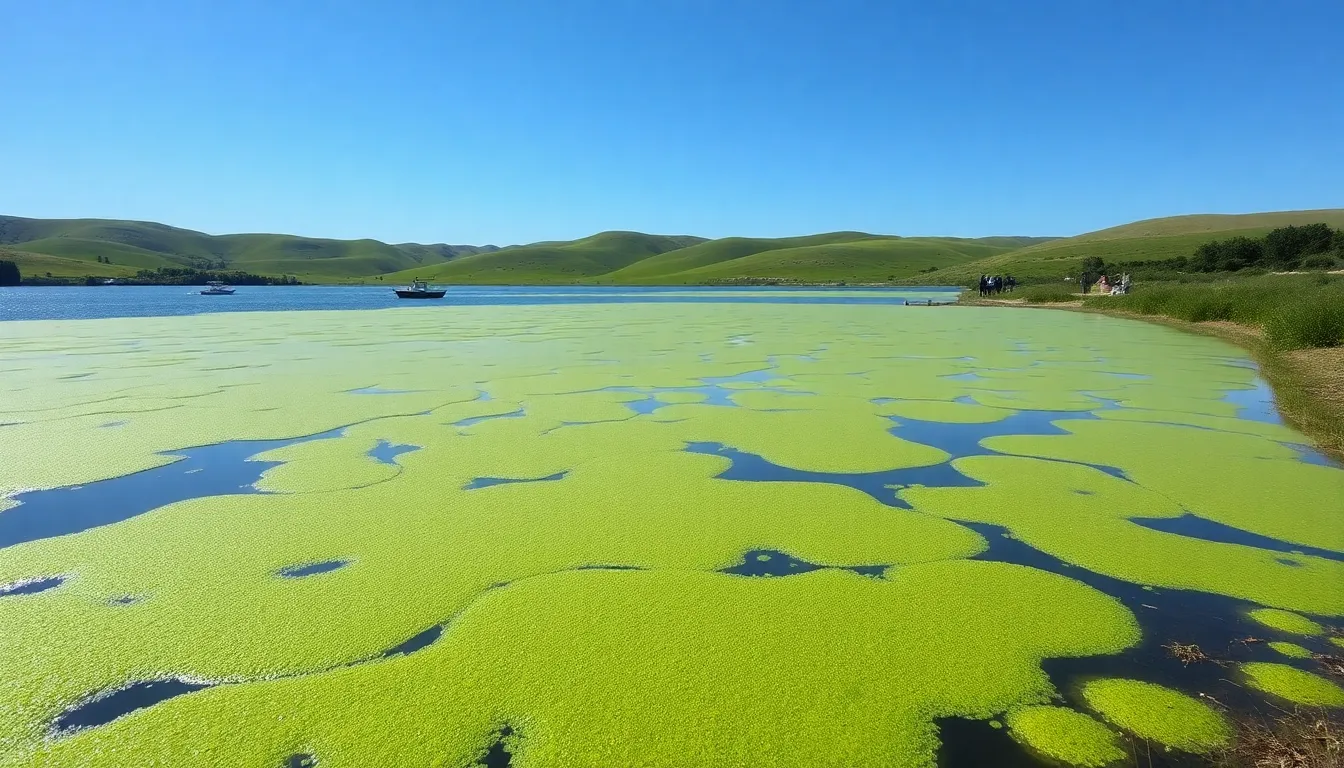
Ever heard of cultural eutrophication? No? Well, it’s not a new dance move or a trendy food fad, though it’s about as exciting as watching grass grow. In essence, it’s the term used to describe the over-fertilization of water bodies, leading to algae blooms that make swimming a no-go zone. Picture this: your favorite lake, once a pristine playground, now resembling a thick green smoothie. Not exactly the kind of refreshment one looks for on a hot summer day. Let’s jump into the murky waters of cultural eutrophication, exploring its causes, effects, and what we can do about it.
Understanding Eutrophication

Eutrophication is a natural process that can occur over years or even decades. It describes the enrichment of water bodies with nutrients, primarily nitrogen and phosphorus, leading to increased plant growth, particularly algae. But, the issue arises when human activities accelerate this process, often referred to as cultural or anthropogenic eutrophication.
This accelerated process occurs when excess fertilizers, sewage, or runoff from urban areas flow into rivers, lakes, and coastal waters. To put it simply, it’s like giving your garden a potent nutrient boost, except instead of flowers, you get an explosion of algae. Not exactly the ideal outcome.
Causes of Cultural Eutrophication
Cultural eutrophication results from a variety of human activities. Agricultural practices top the list, as fertilizers enriched with phosphorus and nitrogen wash off into nearby waterways during rainfall.
Urban runoff contributes as well. Rainwater flowing over streets and buildings picks up pollutants, including detergents and human waste, which enrich water bodies with nutrients. Wastewater discharge from sewage treatment plants also plays a pivotal role. Even though improvements in the treatment process, these facilities often release effluents rich in nutrients into lakes and rivers.
Finally, industrial discharges can introduce various nutrients into the ecosystem. It’s a classic case of unintended consequences where our quest for modern conveniences compromises the very environments we cherish.
Effects on Aquatic Ecosystems
The consequences of cultural eutrophication are nothing short of alarming. When water bodies experience nutrient overload, they often see rapid algal blooms. While algae are a normal part of aquatic ecosystems, excessive growth can lead to several harmful effects.
First, the dense layers of algae block sunlight from reaching underwater plants, disrupting photosynthesis. This leads to a decline in plant life, which in turn affects the entire aquatic food web. Fish and other organisms depend on these plants for habitat and sustenance.
Second, when the algae eventually die, decomposition kicks in. This process consumes dissolved oxygen in the water, leading to hypoxic conditions, or dead zones, where most aquatic life cannot survive. Species such as fish and invertebrates may flee the area, resulting in imbalanced ecosystems and significant biodiversity loss.
Economic and Social Impacts
The economic implications of cultural eutrophication are severe. Declining water quality impacts fisheries, tourism, and water supply. Fishermen in eutrophicated regions often face dwindling stocks, as fish populations decline due to depleted oxygen levels.
Recreation is also hit hard. Lakes that were once prime spots for swimming, kayaking, or fishing can become off-limits, impacting local tourism revenue. In fact, studies have shown that communities near affected water bodies may see a significant dip in tourist activities during algal bloom season.
Socially, cultural eutrophication can exacerbate public health issues. Toxins produced by some algal blooms can threaten drinking water supplies, making management strategies vital. Local governments must constantly stay alert, investing time and resources to counteract these impacts.
Management and Prevention Strategies
Tackling cultural eutrophication demands proactive management strategies across various sectors. Reducing agricultural runoff is paramount, and there are several techniques that farmers can deploy. For instance, implementing buffer zones with native plants along waterways can help filter out excess nutrients.
Also, employing precision agriculture techniques can ensure that fertilizers are used judiciously, applying only what’s necessary. Urban planners and local governments also play a crucial role. Enhancing stormwater management systems can minimize the runoff that carries nutrients into water bodies. Investment in wastewater treatment facilities to upgrade their technology will also significantly reduce nutrient effluents.
Public education is essential too. Empowering communities with knowledge about responsible fertilizer use and conservation can help reduce cultural eutrophication on a grassroots level.
Case Studies and Examples
Several case studies illustrate the effects of cultural eutrophication and reveal effective management practices. Lake Erie, once plagued by massive algal blooms, saw successful initiatives to cut nutrient runoff by implementing better agricultural practices and stricter wastewater regulations.
Similarly, the Chesapeake Bay has benefited from ongoing efforts to improve water quality through comprehensive nutrient management programs. These cases demonstrate that while cultural eutrophication poses significant challenges, targeted strategies can make a real difference.


